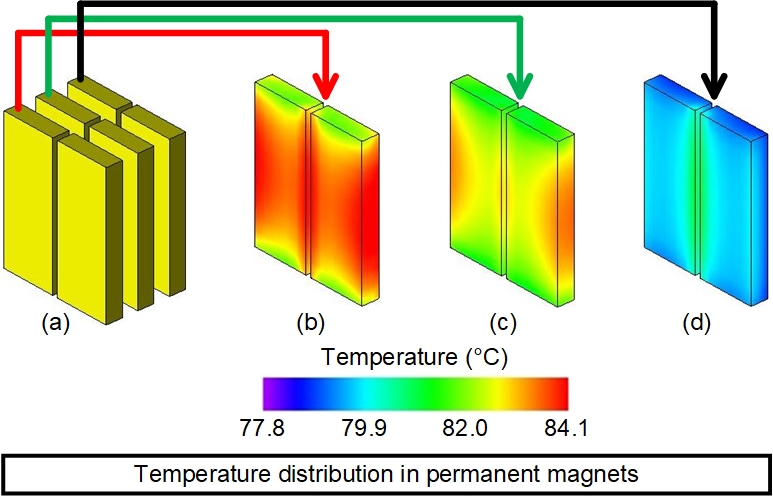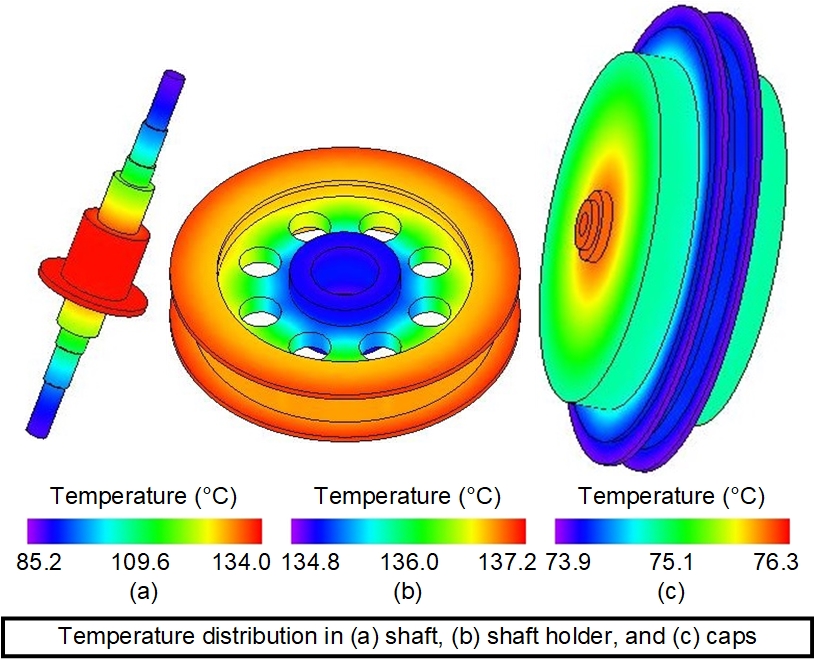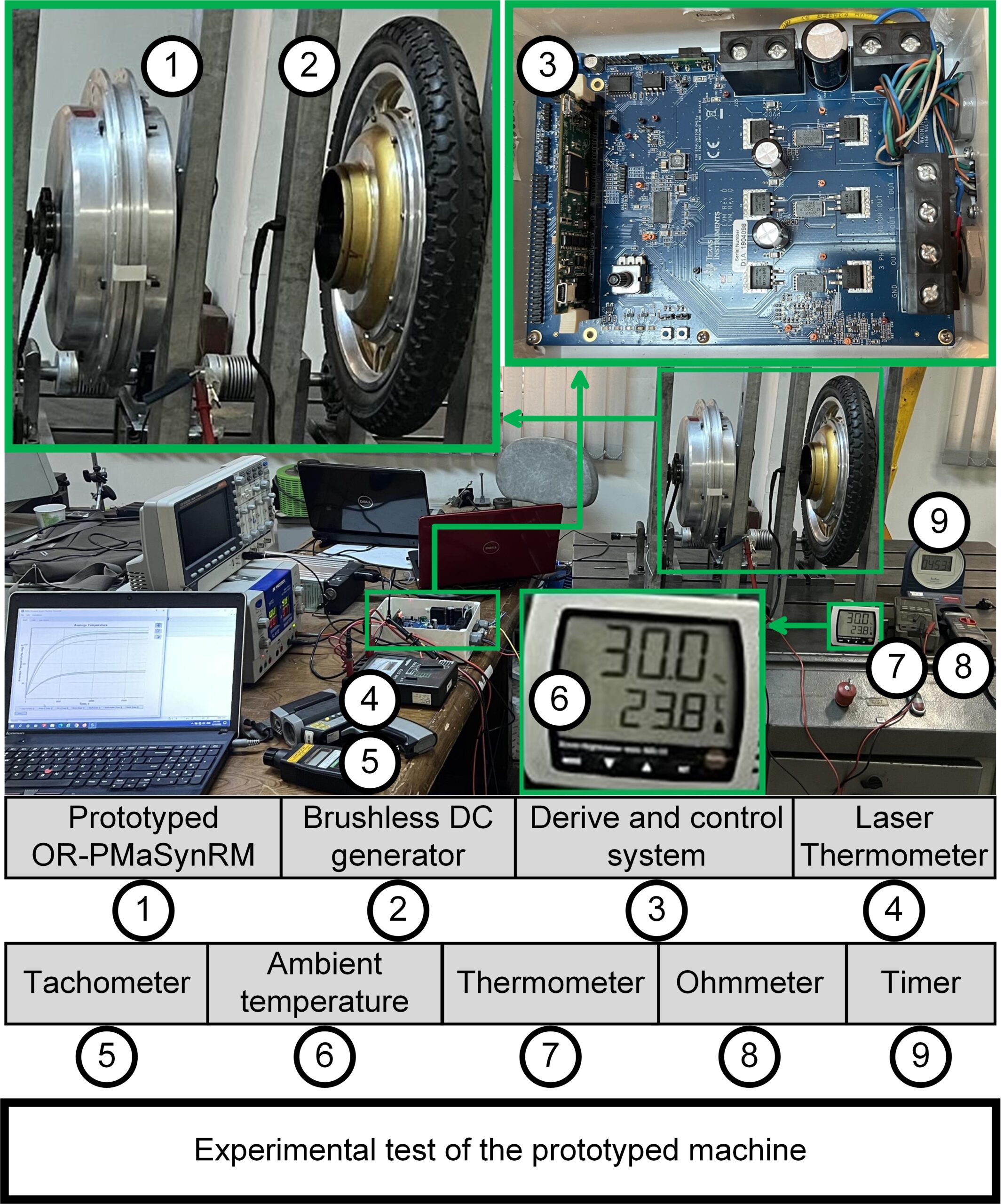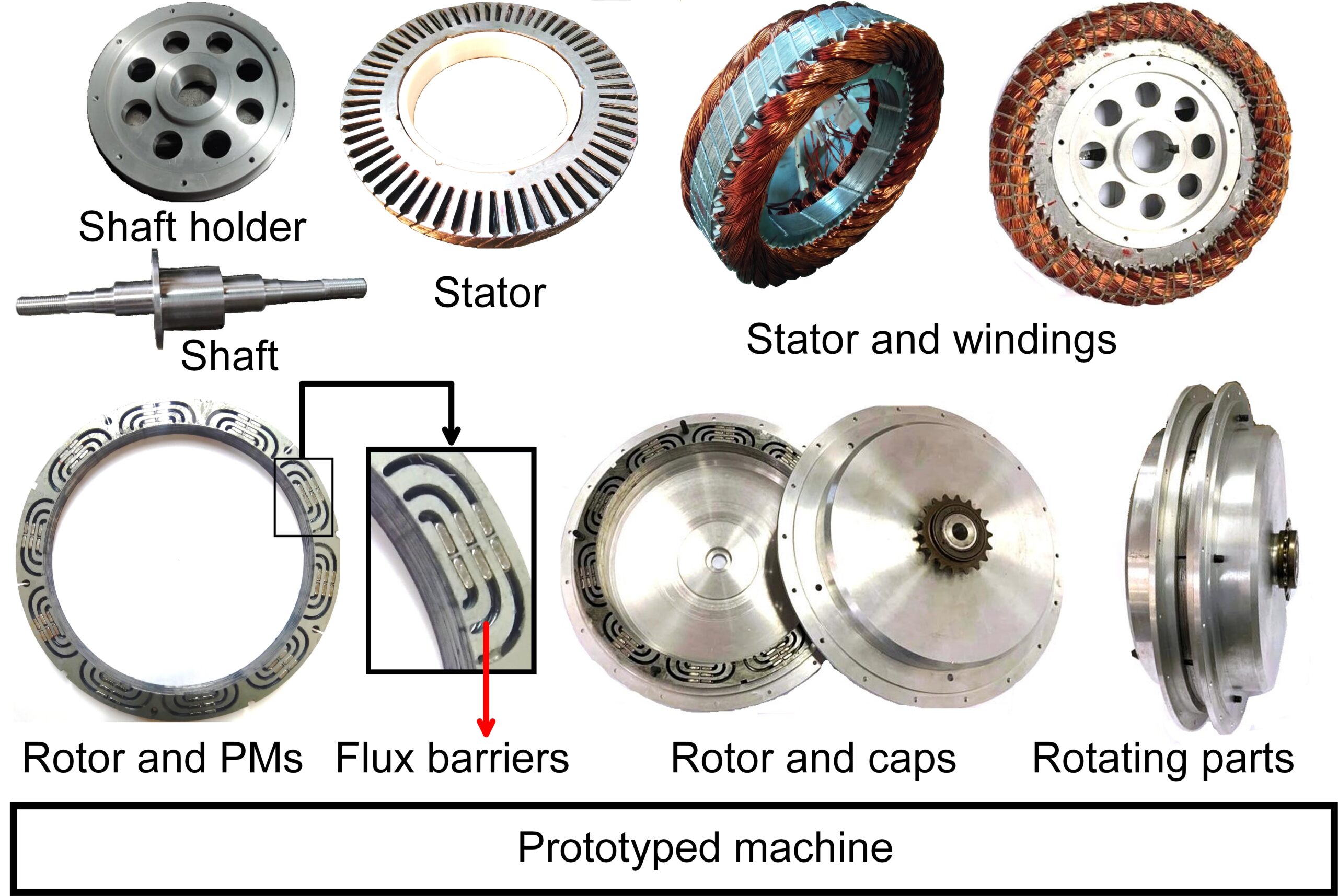
The Consequent Pole Motor is an advanced permanent magnet machine topology designed to achieve high torque density, improved efficiency, and optimized material utilization. In this motor structure, permanent magnets are arranged in a way that allows one magnetic pole to be formed directly by the magnet, while the adjacent pole is created through the motor’s iron path. This configuration reduces the number of magnets required, helping lower material cost while maintaining strong electromagnetic performance.
Consequent pole designs are especially attractive in applications where compact size, lightweight construction, and high efficiency are essential, such as electric mobility systems and renewable energy equipment. By reducing magnet usage, the motor can also support more economical production without significantly compromising output capability.
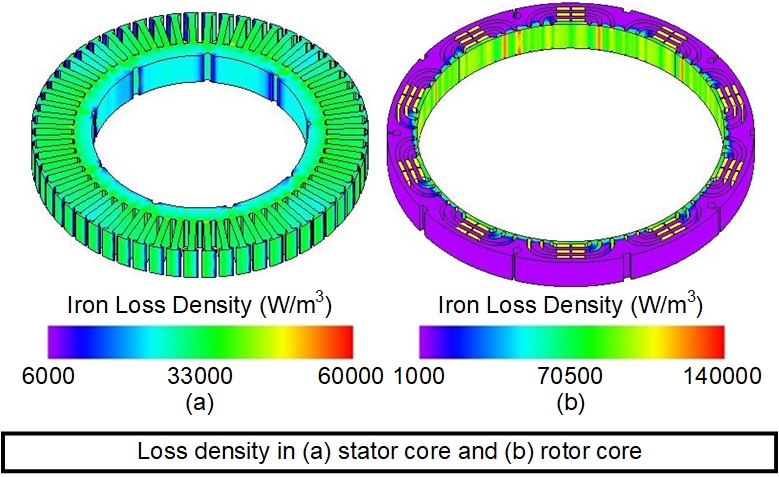
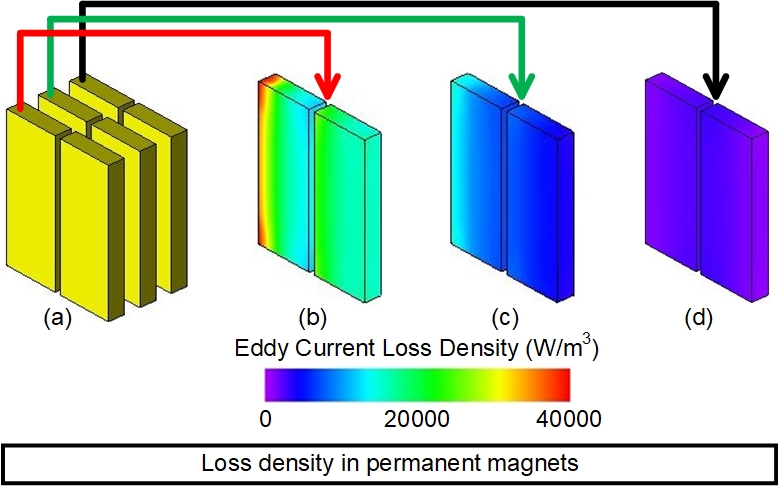
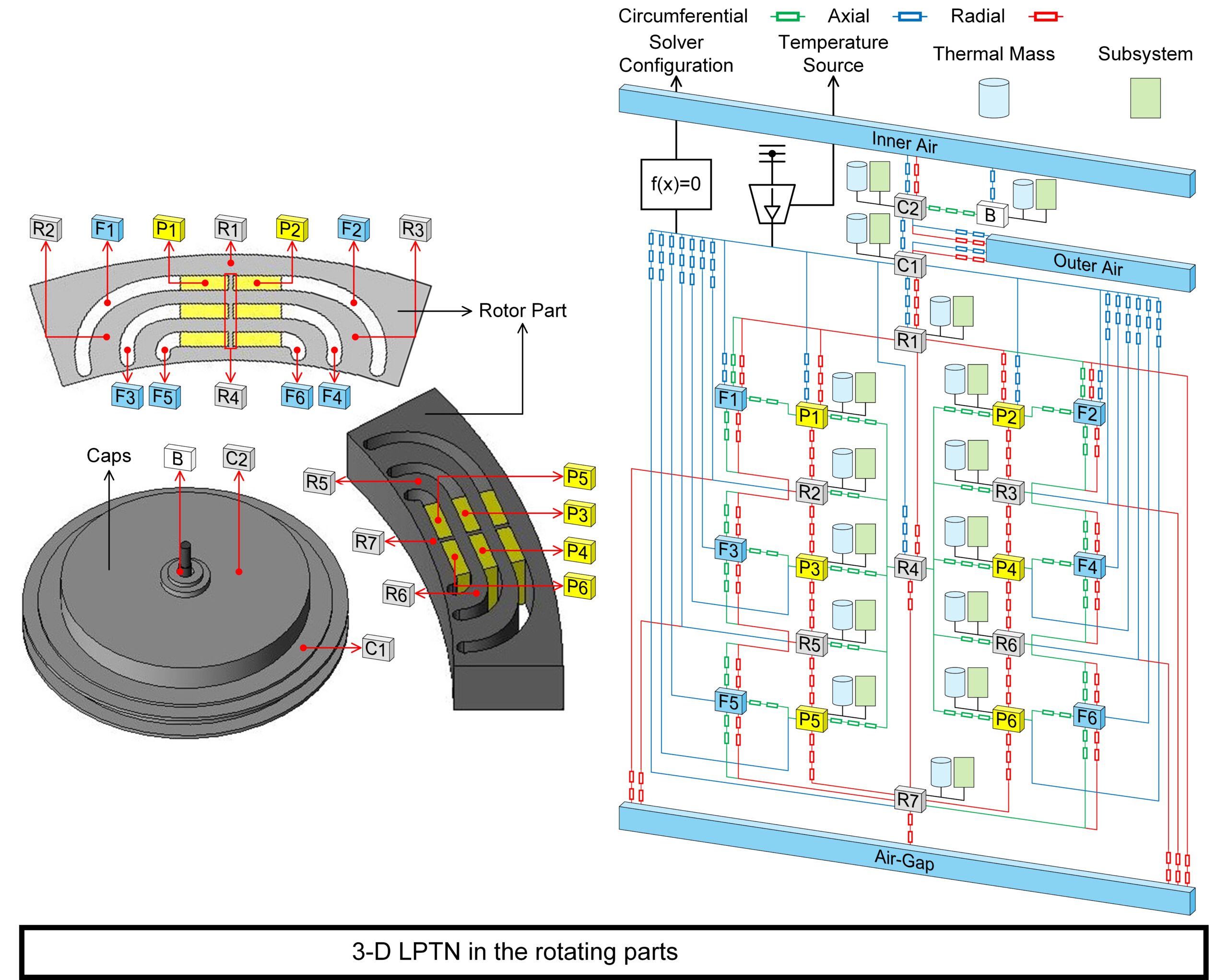
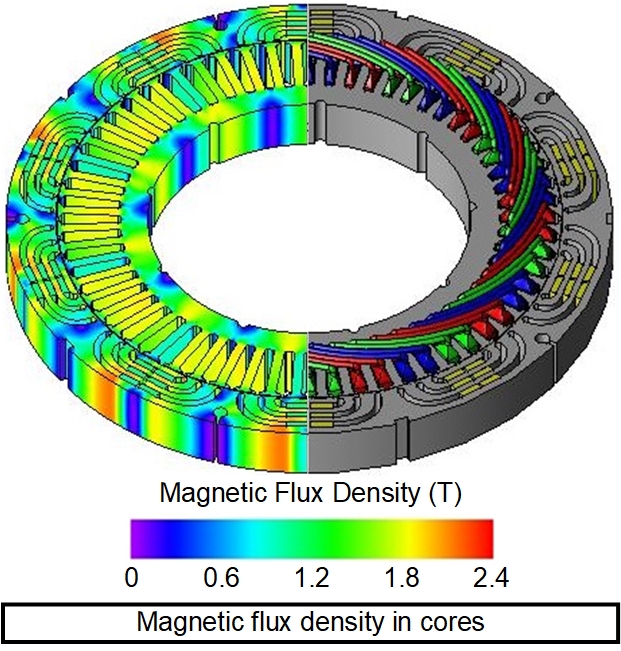
Another key advantage of the consequent pole motor is its flexibility in electromagnetic optimization. With proper design and simulation, it can deliver smooth torque, reduced losses, and reliable thermal behavior under different operating conditions. At the same time, the motor must be carefully engineered to manage flux distribution, vibration, and mechanical integrity to ensure stable long-term operation.
Thanks to modern simulation tools and multiphysics analysis, consequent pole motors can be refined to meet demanding industrial requirements and performance targets. Their balance of efficiency, cost-effectiveness, and compact design makes them a strong solution for next-generation electric machine applications.